AlgeriaAndorraAntigua and BarbudaArubaBelarusBeninBermudaBhutanBonaireBritish Virgin IslandsBurkina FasoCabo VerdeCameroonCayman IslandsCentral African RepublicChadComorosCook IslandsCuracaoCyprusDominicaDR CongoEl SalvadorEquatorial GuineaEritreaEstoniaEswatiniFalkland IslandsFrench GuianaGabonGambiaGrenadaGuamGuineaGuyanaHaitiIcelandIranIraqIvory CoastKosovoLesothoLiberiaMacauMaliMauritaniaNew CaledoniaNigerPalauPapua New GuineaRepublic of CongoReunionSamoaSao Tome and PrincipeSierra LeoneSomaliaSouth SudanSt. Kitts and NevisSt. LuciaSt. Vincent and the GrenadinesSudanSurinameSyriaTogoTongaTrinidad and TobagoTunisiaTurks and CaicosUnited KingdomUS Virgin IslandsVanuatuYemen
13,433+ hotels reviewed
59 vetted
6 travel vibes
Updated monthly
150 countries
100% independent
Our Approach
We vet both sides
Other sites show you everything. We tell you what's worth booking and what to skip.
Vetted
9.2
Hotel Lunetta, Trastevere
Trastevere, Rome
Charming boutique in Rome's most romantic neighborhood. Cobblestone streets, authentic trattorias, real local character.
Avoid
3.1
Tourist Trap Hotel, Termini
Termini, Rome
Overpriced, noisy, far from real attractions. The kind of hotel that looks fine online but ruins your trip.
Why does your hotel choice matter more than you think?
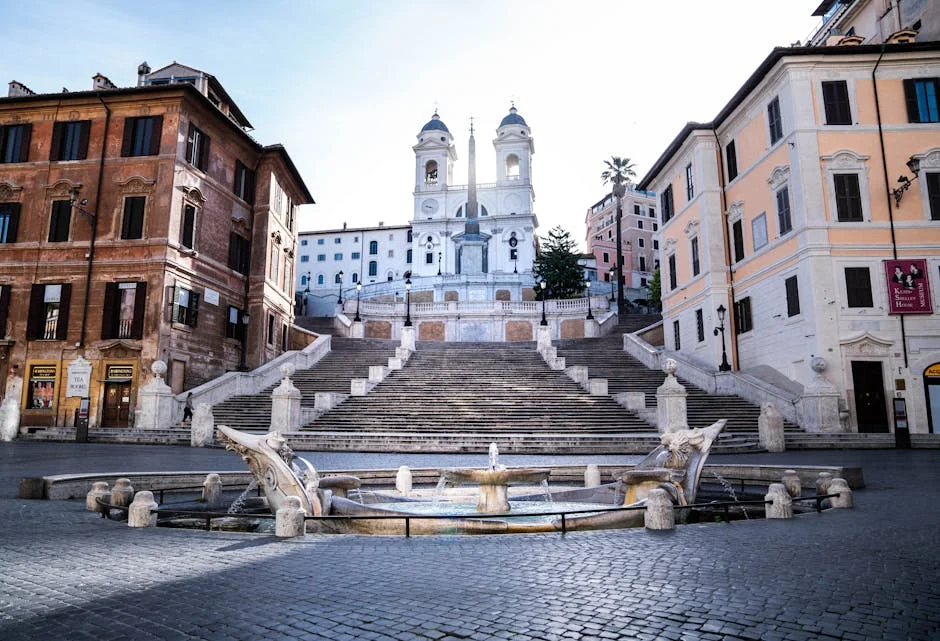
We've seen this mistake hundreds of times. You book a four-star hotel near Rome's Termini station because it looks great on paper: decent reviews, "central location," fair price. Then you arrive and realize Termini is a transit hub, not a neighborhood.
Every meal means dodging tourist traps. The walk to actual attractions takes 30 minutes through dull streets. Meanwhile, someone who picked Trastevere or Monti pays the same but lives inside the Rome they imagined. Cobblestone alleys, authentic trattorias, real character.
What's the real cost of a cheap hotel?
Your hotel controls your daily budget in ways the nightly rate doesn't show. A tourist-area hotel surrounds you with restaurants charging double for mediocre food. No breakfast included? That's 15 to 25 euros per person per morning, or 200+ euros for a couple over one week.
The right hotel in the right neighborhood saves you money while making your trip better. That's why we start with neighborhood analysis before we even look at individual properties.
Why location matters more than star rating
A bad hotel means noisy nights, broken AC in August, and staff who shrug at your complaints. These aren't minor annoyances. They compound into real trip regret.
Across thousands of hotel reviews, the pattern is clear: travelers in the wrong location report higher stress and shorter trips. The difference between a good hotel and a bad one isn't always price. It's whether someone did the research. That's what we do, so you don't have to.
Quality Standards
What Makes a Great Hotel?
A clean room and a decent price aren't enough. Here's what actually separates the best hotels from the forgettable ones.
Why does neighborhood matter most?
Location is the number one factor in hotel satisfaction. A five-star hotel in the wrong neighborhood will disappoint more than a well-placed three-star property. We've seen it over and over.
In Rome, Trastevere and Termini are 15 minutes apart by metro. But they're worlds apart in experience. We look at transit access, walkability, restaurant quality, and safety before we ever rate a room.
How important is hotel service?
Service is what turns a good stay into one you talk about. Attentive staff, a check-in that doesn't take 20 minutes, and someone who actually helps when you ask for a restaurant recommendation.
Boutique hotels tend to crush it here. Fewer rooms mean more personal attention. That said, chains like Marriott, Hilton, and IHG have invested heavily in training, and their loyalty members get consistently solid service worldwide.
What should the room actually deliver?
Comfortable bed, clean linens, working AC, reliable Wi-Fi. Those are non-negotiable. Beyond that, we care about sound insulation and natural light. Your room should feel like a retreat, not a box.
We judge amenities relative to price. A budget hotel doesn't need a rain shower, but it does need hot water that works. A luxury property should deliver on every detail, from premium toiletries to USB ports by the bed.
How do you spot real value?
The best hotel isn't always the priciest. A 120-euro property with great location, included breakfast, and friendly staff often beats a 300-euro hotel in a tourist trap with mediocre service. We factor in hidden costs: resort fees, parking, tourist taxes, paid Wi-Fi.
Can you trust hotel reviews?
One bad review is noise. Ten complaints about the same thing is a pattern. We cross-reference reviews on Booking.com, TripAdvisor, Google Maps, and Expedia to find what's real.
We also filter by traveler type. Business travelers care about Wi-Fi and desks. Families need space and safety. Couples want ambiance. Same hotel, very different experience.
What about safety?
Safety isn't a bonus feature. It's a baseline. Key card access, in-room safes, well-lit corridors, and a neighborhood where you can walk comfortably at night. Any hotel that falls short gets flagged automatically.
Hotel Categories
Types of Hotels: From Budget Hostels to Five-Star Luxury
Hostels, boutiques, chains, resorts. Knowing the difference helps you book the right type for your trip.
What do you get at a luxury hotel?
Five-star hotels are where hospitality gets serious. Michelin-starred restaurants, full-service spas, 24-hour concierge, and staff who remember your name. Expect 300 to 2,000+ euros per night depending on where and when.
Brands like Four Seasons, Aman, Mandarin Oriental, and Park Hyatt set the standard. Worth it for honeymoons and special occasions. Overkill for a quick city break.
What exactly is a boutique hotel?
Small, independently owned, usually 10 to 100 rooms. Every property feels different because it reflects the local architecture and culture. A converted townhouse in Florence feels nothing like a design hotel in Barcelona. That's the point.
The sweet spot is 150 to 250 euros per night for genuine character without luxury pricing. They're ideal if you value atmosphere over predictability.
Are chain hotels worth it?
You know exactly what you're getting. That's the whole value proposition. Marriott, Hilton, IHG, Accor, Hyatt: they all run loyalty programs that reward frequent travelers with free nights and upgrades. The range is massive, from Ibis Budget to Waldorf Astoria.
If you stay 20+ nights a year, a loyalty program is basically free money. Even casual travelers get perks like late checkout just for signing up.
Can budget hotels actually be good?
Budget hotels offer private rooms at 30 to 100 euros per night in most European cities. Modern hostels have evolved way beyond bunk beds. Generator, MEININGER, and a&o now have stylish private rooms, rooftop bars, and design that rivals boutique hotels. Dorms run 15 to 50 euros.
What about B&Bs?
Small, family-run, 3 to 10 rooms. The host shares local knowledge, breakfast is homemade, and the experience feels personal in a way hotels can't replicate. Popular in the UK, Ireland, Italy, and rural France. Expect 60 to 200 euros per night.
When does all-inclusive make sense?
When you want zero spending decisions. Meals, drinks, activities, all bundled in. Works well for beach vacations, family holidays, and destination weddings in Mexico, the Caribbean, or the Maldives. Prices run 100 to 800+ euros per person per night.
The trade-off: you'll probably never leave the property. If exploring matters to you, skip all-inclusive.
What are aparthotels?
A hybrid. Full apartment with hotel services like reception, cleaning, and concierge. Perfect for stays of a week or longer, with rates 30 to 50 percent cheaper than standard hotels. Brands like Citadines and Adagio have this dialed in across Europe.
Why stay in a historic hotel?
Sleeping in a 16th-century Tuscan villa or a former Ottoman caravanserai connects you to a place in a way no modern building can. Spain's Paradores and Portugal's Pousadas curate heritage properties with modern comfort. Prices range from 80 euros for a monastery stay to 1,000+ for a castle suite.
How reliable are star ratings?
Here's the thing: star ratings aren't globally standardized. A four-star hotel in Japan may exceed a four-star in some other countries. Three stars is the most common category worldwide and generally means en-suite bathroom, on-site dining, and professional reception.
Guest review scores on Booking.com or TripAdvisor are often more reliable indicators than star classifications. We account for regional differences in our vetting.
City Insights
We map every neighborhood
Before we recommend a single hotel, we spend weeks analyzing transit routes, restaurant quality, safety patterns, and local character. Every pin on our maps represents hours of research.
Travel Styles
Every city. Your vibe.
Tell us how you travel and we'll match you with the right neighborhood.
Party
Nightlife, clubs, and bars in the best areas to stay out late.
Romantic
Boutique hotels in charming neighborhoods perfect for couples.
Family
Spacious rooms in safe, walkable areas near kid-friendly attractions.
Budget
Best value stays that don't compromise on location or quality.
Culture
Close to museums, galleries, and historic sites worth visiting.
Beach
Coastal stays with easy beach access and waterfront views.
Our Process
How we vet
A four-step process we apply to every hotel and neighborhood we review.
1
Research
Deep dive into areas, reviews, and local insights
2
Score
Rate location, value, reviews, and amenities
3
Vet
Only the best make it to our recommendations
4
Update
Continuous monitoring to keep data fresh
0hotels reviewed
0vetted
0destinations
How do we research neighborhoods?
Before we rate a single hotel, we analyze the area. Transit access, walkability, safety data from local sources and expat forums, restaurant quality versus tourist trap density, and what the neighborhood feels like at different times of day.
We cross-reference multiple mapping services for real walking times, not the optimistic estimates booking sites give you. A romantic boutique hotel in a noisy party district fails our vetting regardless of how nice the rooms are. Location has to match the experience.
How do we score each hotel?
Four criteria, weighted by impact. Location gets 35% because it affects every moment of your trip. We check exact metro distances, block quality, and whether the area has real local life or staged tourist corridors.
Value gets 30%: total cost including hidden fees, breakfast, parking, and minibar pricing. Reviews get 25%: cross-referenced across Booking.com, TripAdvisor, Google Maps, and Expedia, filtered by recency and traveler type. Amenities get 10% because they rarely make or break a stay.
What happens after the initial vetting?
Hotels scoring 8.5+ earn our "Vetted" badge with a detailed write-up. Hotels at 7.0 to 8.4 are solid but not featured. Anything below 7.0, or properties with patterns of safety issues, deceptive marketing, or bait-and-switch tactics, goes into our "Avoid" database.
We re-review guest feedback quarterly. Hotels change ownership, renovate, or decline. If a vetted property starts collecting complaints, we downgrade it. If a flagged hotel shows sustained improvement over six months, we re-evaluate. Static lists go stale. Ours don't.
Global Coverage
Cities we've vetted across Europe
We started in Italy and expanded to 12 European cities. Each city gets the same rigorous vetting process: neighborhood analysis, transit mapping, hotel scoring, and quarterly reviews. More cities launching soon.
Social Proof
Travelers who found the right place
"I almost booked near Termini until I found HotelsVetted. They steered me to Trastevere instead โ what a difference! Cobblestone streets, amazing restaurants, and my hotel was perfect."
SM
Sarah Mitchell
Toronto, Canada
"Finally, honest hotel recommendations! No hidden sponsored listings, just real vetting. Stayed in Grร cia instead of the Gothic Quarter and it was exactly our vibe โ local, budget-friendly, and walkable."
MK
Marcus Klein
Berlin, Germany
"Best travel decision we made. The 'avoid' section saved us from a tourist trap hotel everyone was recommending. Ended up in Monti and fell in love with Rome all over again."
ER
Emma Richardson
Sydney, Australia
"Saved me hours of research. Used their Rome guide for a last-minute work trip and the hotel recommendation in Centro Storico was perfect. Close to meetings but felt like a local neighborhood."
DC
David Chen
San Francisco, USA
"My wife and I used HotelsVetted for our 30th anniversary trip to Florence. The boutique hotel they recommended had the most incredible rooftop terrace. Made the trip unforgettable."
RA
Robert Anderson
London, UK
AI-Enhanced Research
Updated Monthly
Independent Reviews
No Sponsored Listings
Get vetted picks before you book
New cities, hotel updates, and travel tips delivered monthly. No spam, just the good stuff.
Join 12,847 travelers getting smarter hotel picks
Booking Framework
How to Choose the Right Hotel for Any Trip
Five factors: location, budget, travel style, amenities, and real reviews. Here's our framework.
Step 1: What should your hotel budget actually cover?
Not just the room rate. Factor in resort fees (25 to 50 dollars per night in the US), tourist taxes (1 to 5 euros per person in Europe), parking (10 to 50 euros in city centers), and breakfast if it's not included. A hotel listed at 150 euros often costs 200 after fees.
Rough guide: budget travelers 50 to 100 euros per night, mid-range 100 to 250, luxury 250+. We show estimated total costs in our reviews so you can compare honestly.
Step 2: How do you pick the right neighborhood?
"Close to the center" isn't always smart. Many city centers are tourist-heavy, overpriced, and lack local character. Skip Termini in Rome. Trust us. Trastevere has cobblestone charm and excellent food. Monti has a trendy local vibe near the Colosseum.
Our area-first approach helps you nail the neighborhood before you even start comparing hotels.
Step 3: How does travel style affect your hotel choice?
Romantic getaway? Boutique with a rooftop terrace. Family trip? Spacious rooms, safe walkable streets, kid-friendly attractions. Business travel? Fast Wi-Fi, desk space, flexible check-in. Solo backpacking? Hostels in social neighborhoods with great transit.
The most common mistake is booking a hotel that looks great online but doesn't fit how you actually travel.
Step 4: Which amenities actually matter?
Reliable Wi-Fi, working AC, soundproof windows, comfortable bed. Those are the essentials. After that, it depends on your trip. Complimentary breakfast saves 15 to 25 euros per person daily. A pool is a lifesaver in summer. A gym matters if you'll use it.
Watch out for marketing fluff: "panoramic views" from a tiny window, "wellness center" that's a single sauna, "gourmet restaurant" serving reheated food.
Step 5: How do you read hotel reviews the right way?
Focus on the last 6 to 12 months. Hotels change fast after renovations or management shifts. One noise complaint is bad luck. Ten complaints is a real problem. Filter by traveler type to find reviews from people like you.
Ignore short five-star reviews ("Great hotel! Loved it!"). Pay attention to detailed three and four-star reviews. Those tend to be the most honest. We analyze patterns across Booking.com, TripAdvisor, Google Maps, and Expedia.
Step 6: Why compare prices across platforms?
The same room on the same dates can differ by 10 to 30% between Booking.com, Expedia, Hotels.com, and the hotel's own website. Direct booking sometimes gets you free cancellation, upgrades, or loyalty points. OTAs run flash sales and bundle deals.
Check at least three sources. Many hotels offer a "best rate guarantee" on their own site that matches OTA prices with better cancellation terms.
When should you book for the best price?
Peak season (European summer, cherry blossom in Japan, Caribbean holidays): book 3 to 6 months ahead. Shoulder season: 1 to 3 months. Last-minute bookings can save 20 to 50%, but you sacrifice choice.
Midweek check-ins are 15 to 30% cheaper than weekends in leisure destinations. Flexible travelers who shift dates by a few days can save 20 to 40%. Always book refundable when planning far ahead.
Money-Saving Tips
Hotel Booking Tips: Save Money and Avoid Mistakes
After reviewing nearly 3,000 hotels, we've spotted the same booking mistakes over and over. Here's how to avoid them.
Should you book direct or use a booking site?
Direct booking gets you flexible cancellation, direct communication for special requests, and potential room upgrades. OTAs like Booking.com and Expedia offer easy price comparison, bundle deals, and rewards programs like Booking.com Genius.
Our rule of thumb: chain hotels with loyalty status, book direct. Independent and boutique hotels, compare both. OTAs sometimes get exclusive rates that beat the hotel's own website.
Are hotel loyalty programs worth joining?
Marriott Bonvoy has 8,000+ properties globally. Hilton Honors has the best earn rate for casual travelers. World of Hyatt gives the highest value per point. IHG has the lowest threshold for elite status.
If you stay 20+ nights a year, a loyalty program delivers thousands in value through free nights, upgrades, and lounge access. Even if you travel rarely, joining is free and gets you perks like late checkout.
What hidden hotel costs should you watch for?
Resort fees: 20 to 75 dollars daily at many US hotels. Tourist taxes: 1 to 7 euros per person per night in Europe. Parking: 20 to 60 euros in city centers. Minibar items priced 3 to 5x retail. Room service with delivery fees, gratuity, and inflated prices.
Always calculate the total stay cost before confirming. A hotel that seems cheaper per night may cost more when fees add up.
Refundable or non-refundable?
Non-refundable saves 10 to 20%. Book refundable when dates are uncertain, when you're planning 2+ months out, or when the price difference is under 10%. Book non-refundable when dates are locked and savings are 20%+.
Many hotels offer semi-flexible rates with free cancellation up to 24 to 72 hours before check-in. Best of both worlds. Some credit cards also cover non-refundable cancellations.
How much can you save by traveling off-peak?
30 to 60% on hotel costs. European summer and Christmas command peak rates. Shoulder seasons (April-May, September-October in Europe) offer lower prices with great weather. Off-peak winter can be 50 to 70% below summer rates.
Watch for city-specific events too. Fashion week in Milan, carnival in Venice, and Oktoberfest in Munich can double or triple hotel prices overnight. Check local event calendars before booking.
What do business travelers need to know?
Corporate rates save 10 to 25% with flexible cancellation. Without corporate rates, elite status in one loyalty program is your best move. It unlocks complimentary breakfast (saving 15 to 30 euros daily), upgrades, and lounge access.
For trips of four+ nights, extended stay hotels with full kitchens beat traditional hotels on value. Prioritize proximity to meeting venues over tourist attractions.
Pick your city
Curated destinations we've personally researched
Choose your vibe
Romantic, party, family, budget, or culture
Get vetted picks
Areas and hotels we actually recommend
The Difference
Why HotelsVetted?
We do the research so you can enjoy the trip
Expert vetted
Every area researched. Every hotel checked for location, reviews, and value.
Area-first approach
We tell you WHERE to stay, not just what hotel to book. Location matters most.
Vibe matched
Find hotels that match your travel style: romantic, party, family, or budget.
Competitive rates
Book through our partners with pricing you can trust, no hidden markups.
Why don't booking sites tell you where to stay?
Search "hotels in Rome" on any major platform and you'll see 2,847 results ranked by an algorithm that prioritizes who pays the most commission, not what's best for you. Filters for price, stars, and guest scores create an illusion of control. A 4.2-star rating means nothing without context. Is it from backpackers or luxury travelers? Recent guests or reviews from three years ago?
Platforms want you to book fast, not book smart. Every extra minute of research is a minute you might leave for a competitor.
Why do travelers keep making the same mistakes?
Decision paralysis. People sort by "most popular" and end up at the same overbooked, overpriced hotels everyone else picks. They filter by "city center" in Rome and land near Termini station, not the neighborhoods where Romans actually live.
They see a 9.2-rated hotel with 18 reviews and assume it's great. Meanwhile, an 8.7-rated property with 1,847 verified reviews is statistically far more reliable. Platforms profit from this confusion. Then they upsell you insurance and transfers right when you're most eager to hit "confirm."
How is HotelsVetted different?
Instead of 2,847 options, we identify the 87 worth considering and highlight the 12 that truly stand out. No sponsored placements. No higher commissions from specific properties. No optimizing for quick bookings.
Our success depends on whether our hotel recommendations prove accurate when you arrive. That means we prioritize trust over conversions, real research over surface-level filters, and honest guidance over algorithm noise. The hotel you book through us might not be the cheapest or the fanciest. But it'll be the right one for your trip.
Common Questions
Frequently Asked Questions About Hotels
Straight answers to the questions we get asked most about hotel booking.
What is the best hotel booking site?
There's no single winner. Booking.com has the biggest inventory. Expedia does great flight+hotel bundles. Hotels.com gives you a free night after every 10 stays. Agoda usually beats everyone on Asian destinations. Our advice: check at least three platforms plus the hotel's own website. Direct booking often gets you upgrades, flexible check-in, and better cancellation. But honestly, the platform matters less than whether the hotel itself is any good. That's what we vet.
How many stars should a good hotel have?
Three or four stars hits the sweet spot for most travelers. Three stars means clean rooms, en-suite bathrooms, and daily housekeeping. Four stars adds better furnishings, room service, and a gym. Five stars is for honeymoons and special occasions. Here's the catch though: star ratings aren't standardized globally. A three-star in Japan can easily outclass a four-star elsewhere. Guest review scores on Booking.com or TripAdvisor are usually a more reliable indicator than stars alone.
What is the difference between a hotel and a resort?
A hotel is your base for exploring a city or destination. A resort is the destination. Resorts have multiple restaurants, pools, sports, entertainment, and often all-inclusive packages bundling meals and drinks. You stay at a hotel to go out and explore. You stay at a resort to stay put and relax. Choose a hotel for city breaks. Choose a resort for beach vacations where you don't want to think about logistics.
How do I know if hotel reviews are real?
Legit reviews mention specifics: room numbers, staff names, actual dishes they ate. They include both good and bad. Fake reviews are short and vague ("Amazing hotel! Loved it!"), come in clusters on the same date, or read like marketing copy. Verified platforms like Booking.com only allow reviews from actual guests, which makes them more reliable. We cross-reference reviews across multiple platforms to spot patterns and filter out the noise.
Do hotels pay to be featured on HotelsVetted?
No. Every hotel on HotelsVetted is selected editorially. Hotels cannot buy placement, request removal, or influence rankings. We don't accept sponsored listings, banner ads, or paid reviews. Our picks are based on guest scores, location quality, value for money, and editorial judgment alone.
How does HotelsVetted make money?
We earn affiliate commissions from booking platforms when you book a hotel we recommend. The hotel pays nothing to be featured. You pay nothing extra. The commission comes from the platform's margin, not your booking price. This means our incentive is to recommend hotels people actually love, not hotels that pay us.
How often are recommendations updated?
We update recommendations on a rolling basis as new guest data comes in and hotels change. If you spot a hotel that's dropped in quality or a better option we've missed, use our contact form. We take every flag seriously and update listings when the evidence supports it.
Are there any extra booking fees when using HotelsVetted?
No. We never add fees. When you click through to book, you're on the booking platform directly. The price you see there is what you pay. HotelsVetted never touches the transaction. Any taxes or resort fees are set by the hotel or platform, not us.
Ready to find your perfect stay?
Start with a city and let us show you where the locals would actually recommend.